
Logistics & supply
What it takes to get carbon to your plant
Lead time, Incoterms, packaging and paperwork, stated plainly. If you are comparing an imported supply against a domestic one, these are the numbers that decide it — so here they are rather than on request.
Lead time
Purchase order to delivery, stage by stage. Plan against the total, not against production alone.
- 01
PO confirmed
Day 0
Specification, quantity, packing and Incoterm agreed. The clock starts here, not at enquiry.
- 02
Production
3–4 weeks
Custom impregnation may add to this. We tell you at quotation, not after.
- 03
Ocean transit
3–4 weeks
From Cochin. Depends on destination port and routing — the Middle East is the shortest run we do.
- 04
Delivered
6–8 weeks total
Customs clearance sits inside this window on DDP terms and outside it on CIF.
Incoterms
We supply on FOB, CIF and DDP terms. FOB suits buyers with their own freight arrangements; CIF covers carriage and insurance to your port; DDP delivers to your door with duties settled. Which is cheaper landed depends on your freight rates and volumes — ask and we will quote more than one so you can compare.
Packaging
Five standard formats. Which one you want is usually decided by how the material is handled at your end — bags for manual charging, super sacks for a hopper, drums where the media has to stay sealed between uses.

PP bags
25 kg · 55 lb
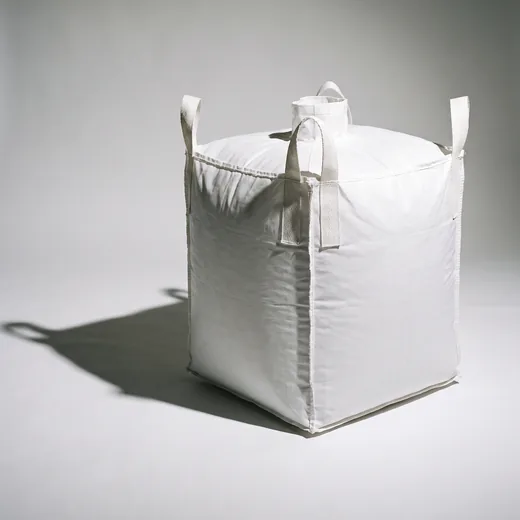
Super sacks
500 kg · 1,100 lb
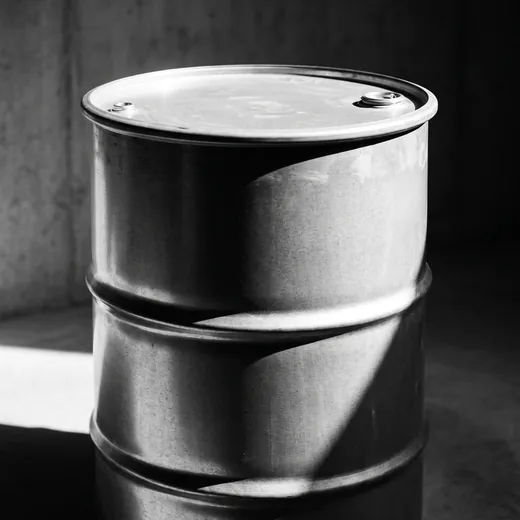
Metal drums
210 L
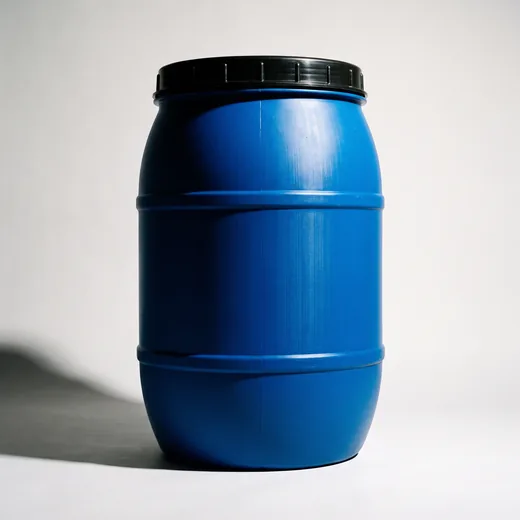
Plastic drums
50 L
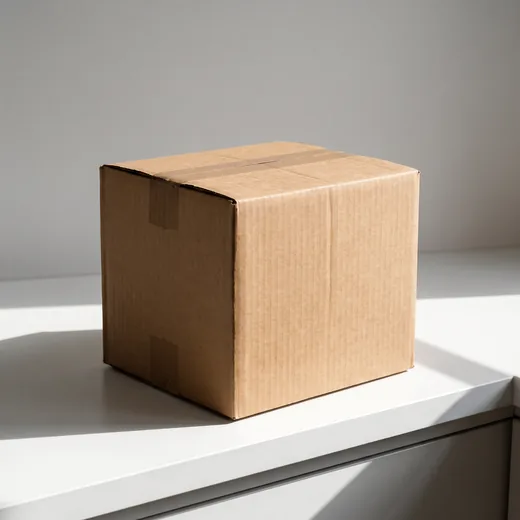
Paper cartons
30 L
Unbranded and private-label packaging is available. If you resell under your own brand, we do not put ours on the bag.
Capacity
Our plant in Kerala, India runs an annual production capacity of 6,000 tonnes of activated carbon, across granular, pelletized and spherical forms plus impregnated grades. Coconut shell is sourced from long-term partners in Kerala and Tamil Nadu, the two states where the raw material actually grows.
Samples and trial quantities
Standard grades ship as evaluation samples on request. For qualification work we produce small batches from 1 to 10 tonnes — below a normal container load — because no serious buyer commits to a full order on a datasheet alone.
Every sample batch ships with a certificate of analysis for that batch. The published specification tells you what the grade is; the COA tells you what your material actually tested at.
Documentation
Each shipment travels with a certificate of analysis for the batch, a packing list, and the commercial and customs documentation your import requires. Safety data sheets are issued per grade and always accompany a shipment. If your goods-in process needs a document we have not listed, ask before the PO rather than after the container sails.