

Applications
Biogas Pre-treatment
Clean gas in, engine life out
Typical duty
Typically removing <15 ppm H₂S
Where we are strong
Rigorous testing to determine the effective formulation, including real-environment biogas testing rather than bench data alone.
Raw biogas carries hydrogen sulfide, mercaptans and siloxanes. Left in the stream they corrode engines and turbines, poison upgrading membranes and shorten every component downstream of them. Pre-treatment is not polishing — it is what protects the asset.
Feedstock decides the problem. Landfill gas brings siloxanes that food-waste digesters do not; dairy and wastewater digesters run high on H₂S. The right formulation depends on which of those you actually have, which is why we test against your gas rather than quote from a table.
Our biogas range spans re-agglomerated carbon (SURSORB CAG), caustic-impregnated grades (ALKA, P-ALKA), a magnesium-oxide pellet (MAG) and a 10% minimum impregnated pellet (PAG-10). Pelletized forms are specified where pressure drop across a continuous duty bed matters.
Typical duties
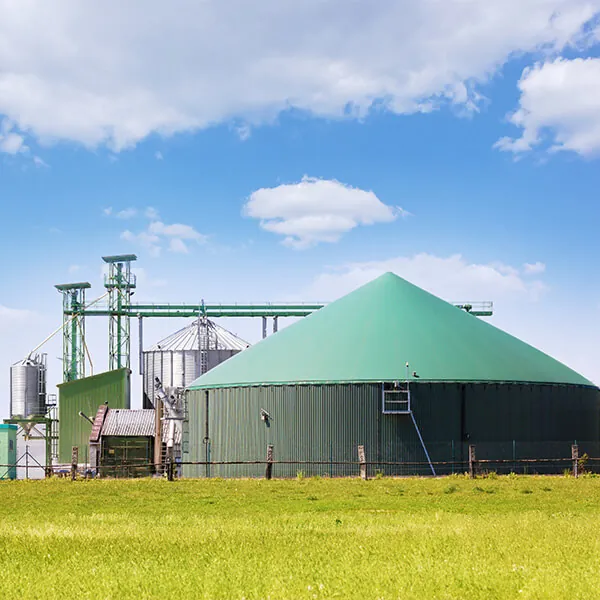 Biogas upgrading
 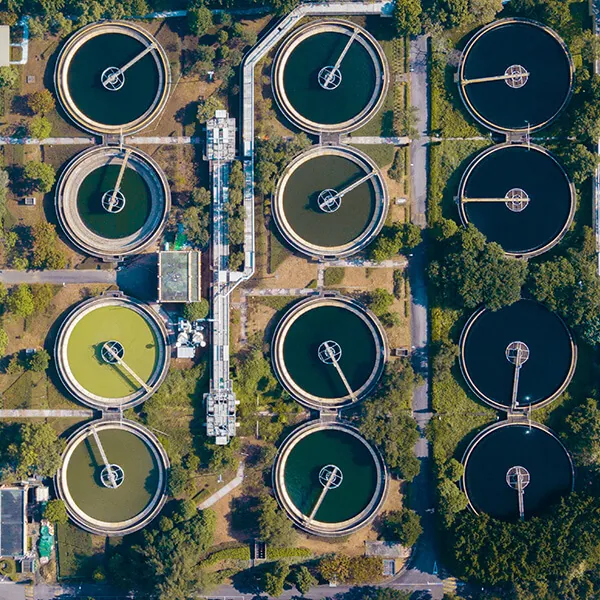 Digester gas
  Landfill gas
 Media grades 7
SURSORB CAG
Re-agglomerated pelletized carbon for hydrogen sulfide removal
Specification →SURSORB PAG-10
Impregnated pelletized carbon for high-capacity H₂S removal
Specification →SURSORB PAG
Impregnated pelletized carbon for acid gas removal
Specification →SURSORB ALKA
Alkaline-impregnated granular carbon for acid gases
Specification →SURSORB P-ALKA
Alkaline-impregnated pelletized carbon for sulfur compounds and acid gas
Specification →SURSORB MAG
Magnesium-oxide impregnated pelletized carbon for H₂S
Specification →SURSORB PAM
Pelletized carbon for ammonia removal
Specification →